

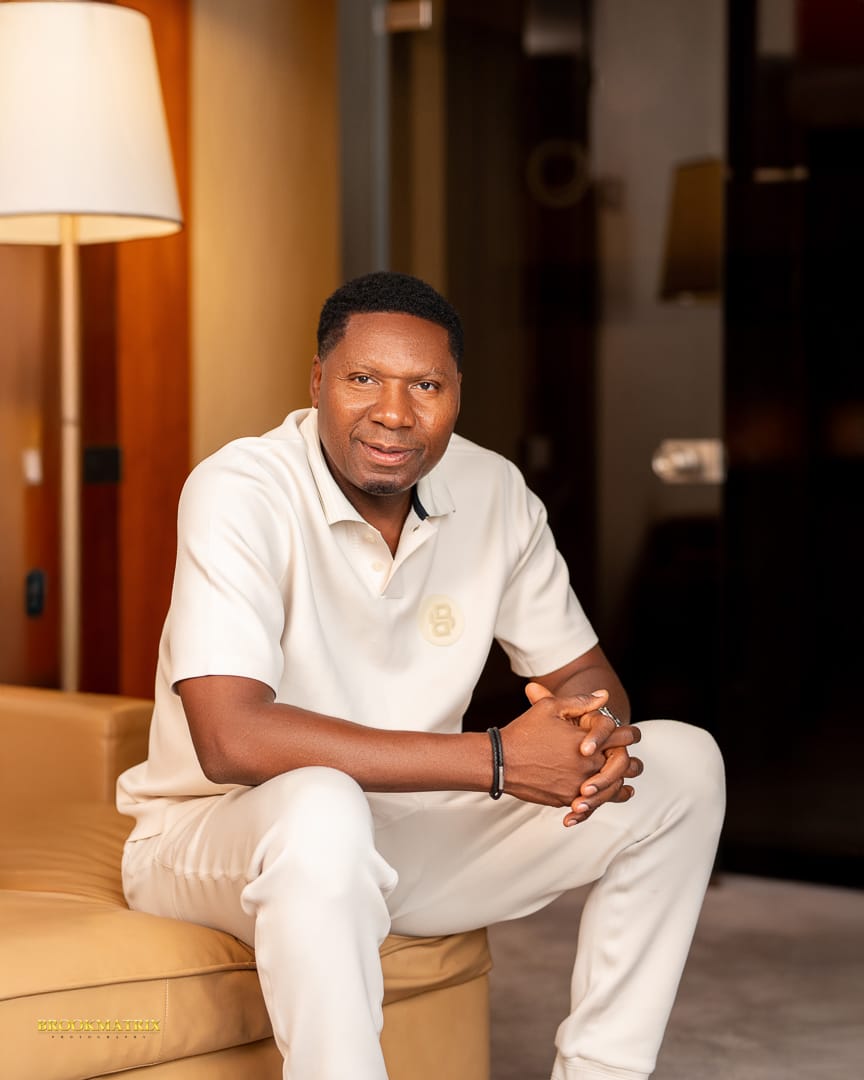
Beyond Scores and Results: Andishu Challenges Sports Media to Help Rebuild Nigerian Sport
At the 2026 SWAN Triennial Congress in Kaduna, National Patron Moses Andishu challenged Nigerian sports journalists to reclaim their place as watchdogs, agenda setters and promoters of homegrown sport. His message went beyond journalism: without a strong media committed to accountability, grassroots development and local competitions, Nigeria will struggle to turn its sporting potential into national and economic value.
Feature
For decades, the Nigerian sports media did more than report scores, victories and defeats. It discovered talents, questioned administrators, promoted local competitions and helped turn athletes into household names.
Moses Andishu believes that influence has weakened and wants sports journalists to recover it.
Delivering the keynote address at the Sports Writers Association of Nigeria (SWAN) Triennial Congress in Kaduna, the National Patron of the association placed sports journalists at the centre of the conversation about the future of Nigerian sport.
Speaking on the theme, “Harnessing the Power of Sports and the Media for National Development, Youth Empowerment, and Global Competitiveness,” the philanthropist of note and international businessman, Andishu argued that Nigeria cannot fully exploit the social and economic benefits of sport without a vibrant, independent and responsible sports media.
His address was both a reminder of what sports journalism once represented and a challenge over what it must become.
At the heart of his message was a simple question: Does the Nigerian sporting press still possess the influence it once wielded?
When Sports Journalism Made a Difference
Andishu looked back at an era when sports journalists did not merely wait for established stars before writing about them. They searched for talents and created platforms that brought emerging athletes to national attention.
He cited the celebrated report, “Westerhof, Here Is Your Destroyer,” by veteran journalist Dr Mumuni Alao as an example of journalism influencing the career of a young footballer.
That footballer was Sunday Oliseh, who would eventually become a major figure in Nigerian football and a member of the Super Eagles side that won the Africa Cup of Nations in Tunisia in 1994 before claiming Olympic gold two years later in Atlanta.
Andishu also recalled how the sporting press helped project the career of Nigerian sprint great Mary Onyali and remembered the distinctive football commentary of the late Ernest Okonkwo.
Those examples prompted one of the central questions of his address.
“As sports writers today, do we still possess that magic pen?”
It was not merely a call for nostalgia. Andishu used the past to challenge the present generation to examine whether Nigerian sports journalism still devotes sufficient attention to discovering talent, developing local sport and influencing policy.
Foreign Sport Dominates the Conversation
Perhaps one of the strongest points in Andishu’s address was his concern over the dominance of foreign football and international athletes in Nigerian media.
European football has become deeply rooted in Nigeria’s sporting culture. Discussions about clubs in England, Spain and other European countries occupy significant space on radio, television, newspapers and digital platforms.
Meanwhile, many Nigerian competitions struggle for sustained coverage.
Andishu believes the imbalance has consequences beyond journalism.
He argued that Nigeria has gradually surrendered part of its indigenous sporting culture to foreign alternatives, weakening domestic competitions and limiting opportunities for local athletes.
“If we are vigilant watchdogs, why have foreign leagues and international players completely taken over our media space?” he asked.
His argument was that when domestic sport disappears from prominent media spaces, sponsors have less incentive to invest. With reduced sponsorship comes less money for competitions, athletes and development programmes.
Young talents are also denied the visibility that previous generations enjoyed.
For Andishu, rebuilding Nigerian sport therefore requires the media to make a deliberate effort to restore local competitions to public consciousness.
Accountability Must Return to the Centre
But promoting Nigerian competitions alone will not solve the problems.
Andishu said sports journalists must also ask difficult questions about administration, public spending and infrastructure.
Nigeria has produced world-class athletes across football, athletics, boxing, basketball, weightlifting and several other disciplines, yet the country continues to struggle with inadequate facilities and poor maintenance of existing infrastructure.
That contradiction, he suggested, should remain a major subject of media scrutiny.
“Have SWAN members dutifully discharged their roles as sports communicators by holding sports administrators accountable for how resources are managed?” he asked.
He followed with another question: “If yes, why do we still suffer from a severe deficit of quality sports infrastructure at all levels?”
The challenge places responsibility on both sides.
Administrators must account for resources entrusted to them, but journalists must consistently investigate how those resources are used.
That means moving beyond match reports, press conferences and official statements to scrutinising policies, budgets, projects and decisions that affect athletes.
Journalism Under Difficult Conditions
Andishu, however, acknowledged that demanding stronger journalism without recognising the circumstances under which many sports journalists work would be unfair.
Poor remuneration remains widespread. Welfare packages are often inadequate, while health and life insurance are unavailable to many practitioners.
These problems can affect independence, professionalism and motivation.
Andishu acknowledged “poor remuneration and harsh working environments,” alongside inadequate insurance and welfare, as some of the challenges confronting practitioners.
Yet he insisted that difficult conditions should not stop sports journalists from finding new ways to remain relevant.
The changing media landscape, especially the growth of digital journalism, streaming and social media, provides opportunities for journalists and media organisations to rethink how Nigerian sport is packaged and consumed.
Sports Is Also Big Business
One of the important strands of Andishu’s presentation was the commercial relationship between media and sport.
Globally, broadcasting rights have become a major source of revenue for leagues, federations, clubs and athletes.
Andishu wants Nigerian sports media to become more involved in building that ecosystem.
Television networks, digital platforms and streaming services can provide the visibility needed to attract sponsorship and endorsements to domestic competitions.
A properly packaged local sports product can create employment for athletes, coaches, journalists, broadcasters, photographers, content creators, marketers and other professionals.
The benefits could extend to tourism, advertising and other areas of the economy.
For a country with a large youthful population, sport therefore represents much more than recreation.
Giving Young Athletes a Fighting Chance
Andishu also linked the responsibility of the media to youth empowerment.
Nigeria continues to produce talented young athletes, but identifying talent is only the beginning.
Without facilities, coaching, equipment, funding, exposure and competition, potential can easily be wasted.
He called for structured mentorship programmes, modern facilities and adequate financial support to enable promising athletes to participate in elite international competitions.
Sports journalists, he argued, must keep those needs in the public conversation.
The media can identify neglected athletes, draw attention to abandoned facilities, examine failed development programmes and push authorities to invest in grassroots sport.
That watchdog responsibility could ultimately determine whether promising youngsters disappear or become international champions.
Fighting Fake News and Division
Andishu also addressed another challenge facing modern journalism: misinformation.
The speed of social media has transformed how sporting information is produced and consumed. News can travel across the country within minutes, but false information can spread just as quickly.
He urged SWAN to defend professional standards by challenging fake news, sensationalism and unverified digital content.
For him, credibility remains one of journalism’s most important assets.
He also warned against factionalism and godfatherism within sports administration, insisting that sports journalists should not become instruments in disputes among administrators.
Instead, SWAN should remain neutral and help bridge divisions.
That independence becomes particularly important when journalists are expected to hold the same officials and institutions they cover accountable.
Beyond Reporting Results
Andishu’s Kaduna address ultimately amounted to a call for a broader definition of sports journalism.
Report the matches, but also examine the system behind them.
Celebrate champions, but search for the unknown youngster who could become the next one.
Cover international football, but do not allow it to suffocate domestic competitions.
Report administrators’ promises, but return months later to establish whether those promises were fulfilled.
Embrace digital media, but do not sacrifice verification for speed.
Promote sport, but retain the independence required to expose its failures.
And above all, recognise that sports journalism can contribute to employment, national unity, youth development and Nigeria’s international standing.
As delegates gathered in Kaduna to determine the direction of SWAN, Andishu also urged them to consider those responsibilities in choosing their leaders.
He called for “vibrant, fearless, selfless and courageous” leadership capable of guiding the association through the challenges ahead.
His message leaves Nigerian sports journalists with a question that extends beyond the congress.
If the sports press of previous generations could help discover stars, build competitions and influence the direction of Nigerian sport, what prevents today’s generation: armed with television, radio, newspapers, websites and social media from doing even more?
The answer may determine not only the future of sports journalism, but also how effectively Nigeria converts its enormous sporting talent into opportunity, employment and international success.

